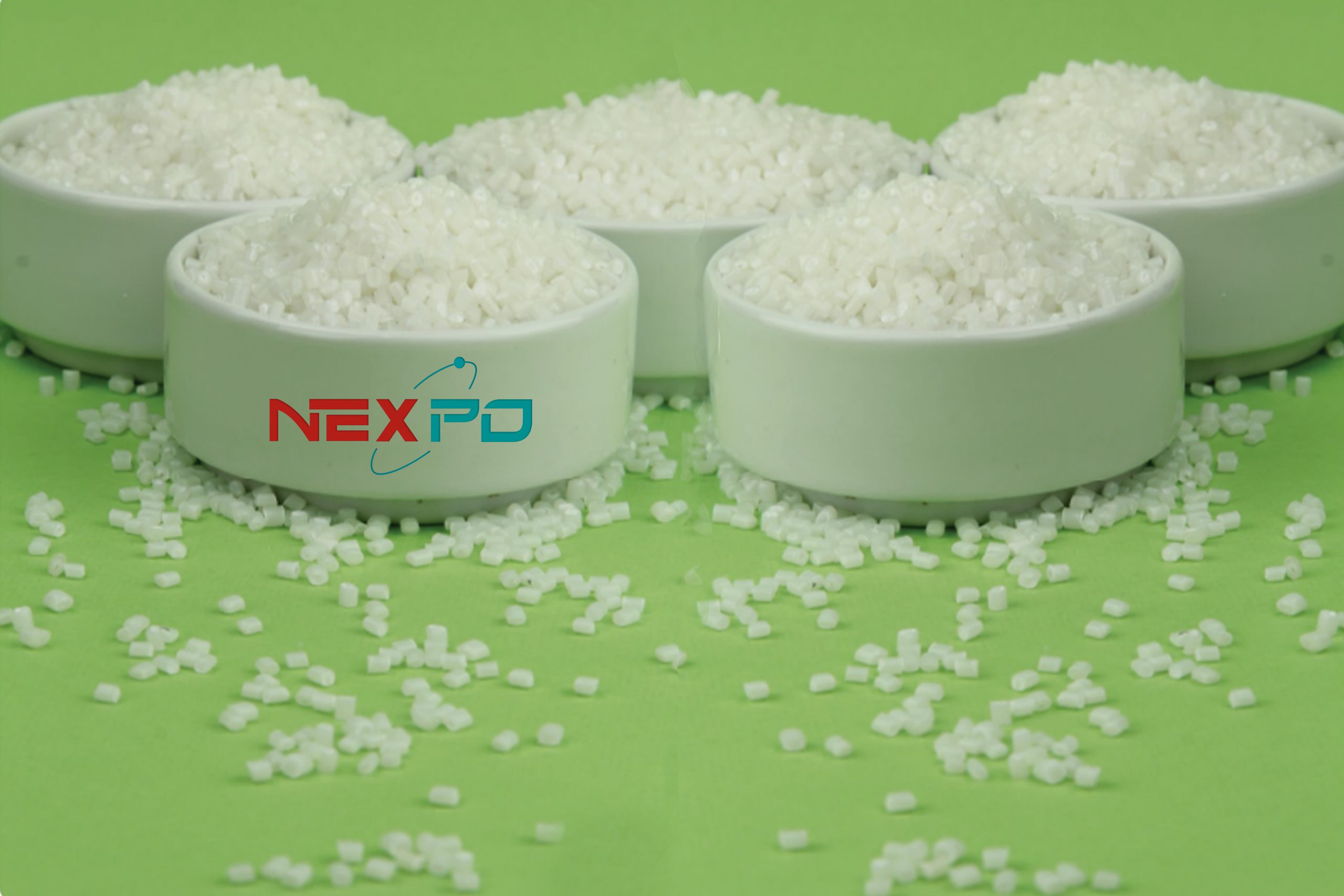
Light polyethylene (LDPE)
It is a flexible and lightweight plastic with high chemical resistance and excellent impact strength. It is produced through high-pressure polymerization and has a branched molecular structure.
What is light polyethylene (LDPE)?
Low-Density Polyethylene (LDPE) is one of the oldest and most widely used types of polyethylene. It is produced by radical polymerization of ethylene at high pressure and temperature, and its structure has many random side branches, which reduces its density and increases its flexibility. The density of LDPE is usually between 0.915 and 0.935 g/cm3.
⚙️ Technical and mechanical properties of light polyethylene (LDPE)
Strengths:
✅ High flexibility
✅ Good resistance to moisture and chemicals
✅ Easy processability (injection molding, blowing, extrusion)
✅ Economical price
Weaknesses:
❌ Low thermal resistance (up to 80°C for permanent use)
❌ Low UV resistance (needs anti-UV additives)
❌ Lower mechanical strength than HDPE
| Property | Value / Description |
|---|---|
| Density | 0.915-0.935 g/cm³ |
| Melting Point | 105-115°C |
| Tensile Strength | 10-20 MPa |
| Flexibility | Very High |
| Chemical Resistance | Resistant to acids, bases, and organic solvents |
| Electrical Resistance | Excellent insulator (used in wires and cables) |
| Transparency | Semi-transparent to transparent |
🏭 Key applications of LDPE in various industries
🔹Packaging industry (most used)
Food packaging films (nylon, cellophane)
Freezer bags and plastic storage bags
Protective coatings for industrial products
🔹 Electrical and electronics industry
Wire and cable insulation (due to excellent dielectric properties)
🔹 Medical industry
Flexible pharmaceutical bottles
Sterile coatings for medical devices
🔹 Agriculture
Greenhouse films
Plastic mulch (to maintain soil moisture)
🔹 Household and public uses
Disposable containers (cups, shopping bags)
Soft toys
Available grades of low density polyethylene (LDPE)
And all production is carried out according to customer orders.
Advantages and disadvantages
The advantages of LDPE include softness, flexibility, light weight, transparency, and economic price. On the other hand, its weaknesses include lower resistance to heat, abrasion, and UV light.
On the other hand, its disadvantages include brittleness at low temperatures, low resistance to direct sunlight without additives, and poor adhesion properties to other surfaces.
Comparison of LDPE with other polyethylenes (HDPE, LLDPE)
| Property | LDPE | HDPE | LLDPE |
|---|---|---|---|
| Density (g/cm³) | 0.915-0.935 | 0.941-0.965 | 0.915-0.925 |
| Molecular Structure | Branched | Linear | Linear with short branches |
| Mechanical Strength | Moderate | High | High |
| Flexibility | Very High | Low | High |
| Heat Resistance | Low (80°C) | High (120°C) | Medium (90°C) |
| Main Applications | Soft films, insulation | Rigid bottles, pipes | Stretch films, packaging |
سوالات متداول
برای کسب اطلاعات بیشتر و مشاوره در مورد محصولات ما، لطفا از طریق راههای زیر با ما تماس بگیرید:
aya LDPE baraye tamas ba movad ghzayi imen est? 42 / 5,000 Is LDPE safe for food contact?
What is the main difference between LDPE and HDPE?
Is LDPE resistant to sunlight?
LDPE is one of the most widely used plastics in the packaging, medical, and agricultural industries due to its flexibility, transparency, and reasonable price. However, its low thermal and mechanical resistance creates limitations that can be improved by selecting modified grades or blending with other polymers (such as LLDPE).